In the culinary heart of Brooklyn, from the bustling family kitchens of Bay Ridge to the sleek, modern loft spaces of DUMBO, the oven is the undisputed centerpiece of home cooking. Whether you are roasting a holiday turkey, baking artisan bread, or simply reheating a midweek casserole, you expect your appliance to deliver consistent, reliable heat. Nothing is more frustrating than spending hours preparing a beloved family recipe, only to pull it out of the oven and find it burnt to a crisp on one side and completely raw on the other.
Uneven heating is one of the most common complaints homeowners have about their cooking appliances. It ruins meals, wastes expensive ingredients, and turns the joy of cooking into a stressful guessing game. At Bartleys Appliances, we have helped countless local residents solve this exact problem. In this comprehensive guide, our experts break down the mechanical and electrical reasons why your oven is failing to distribute heat properly, how to identify the hidden culprits, and when it is absolutely necessary to call for professional intervention to save your dinner plans.
The Science of Uneven Oven Heating
Before tearing into the appliance, it is important to understand how a standard oven is supposed to work. An oven operates as a sealed thermal box, relying on a thermostat to read the internal climate and heating elements (or gas burners) to generate the heat. In a perfect scenario, the heat radiates evenly from the bottom and top, creating a stable environment. However, when one component in this chain begins to degrade, the thermal balance is destroyed.
In many older Brooklyn apartments, voltage fluctuations and inconsistent gas line pressures can also play a role in how appliances perform over time. But more often than not, the issue lies within the internal hardware of the oven itself. Identifying which part is failing is the first step toward reclaiming your kitchen.
1. A Failing or Blistered Bake Element
For homeowners using an electric oven, the bake element is the primary source of heat. Located at the bottom of the oven cavity, this thick metal coil is responsible for generating the intense, radiant heat necessary for baking and roasting.
Recognizing a Damaged Element
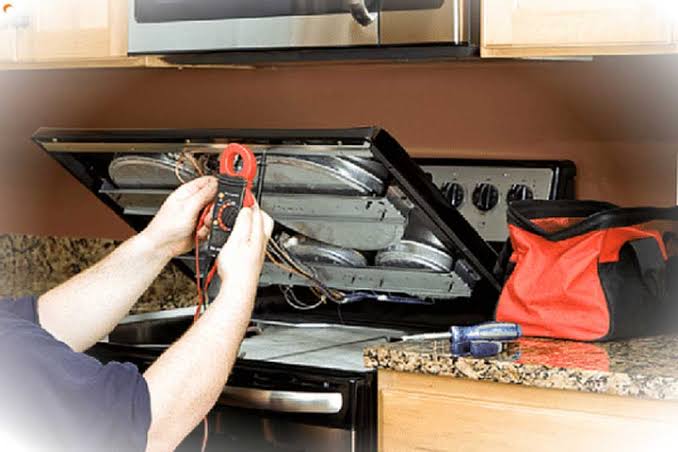
When an electric oven is turned on and functioning correctly, the bottom bake element should glow a bright, solid, and continuous red. If your oven is heating unevenly, the first thing you should do is perform a visual inspection of this coil. Over years of heavy use, the metal can degrade, blister, or crack. If you notice dark spots on the coil where it is not glowing red, or if there are visible physical breaks in the metal, the element is failing. A damaged element cannot reach the target temperature, forcing the oven to rely entirely on the top broil element, which severely scorches the top of your food while leaving the bottom undercooked. Replacing a bake element involves accessing the high-voltage wiring at the back of the appliance, which is a task strictly suited for professional oven repair services to avoid serious electrical shock.
2. The Temperature Sensor and Thermostat Calibration
If your baking element looks perfectly fine and glows evenly, the problem might not be the heat source itself, but rather the “brain” that controls it. The temperature sensor is a small probe usually located at the top rear of the oven cavity. It constantly measures the internal temperature and tells the control board when to turn the heat on and off.
The Impact of a Faulty Sensor
When the temperature sensor begins to fail, it sends inaccurate readings to the main control board. For example, the sensor might register that the oven has reached 400 degrees when, in reality, it is only hovering around 300 degrees. This causes the oven to shut off its heating elements prematurely, resulting in undercooked food. Conversely, it might never register that the target temperature has been reached, causing the oven to heat endlessly and incinerate your meal. Sometimes, the sensor is simply knocked out of alignment by heavy pots and pans. While recalibrating an oven’s thermostat might seem simple on a digital display, physically testing the resistance of a temperature probe requires a multimeter. Certified range repair technicians have the specialized tools required to test the sensor’s ohms of resistance and replace it safely if it falls outside the manufacturer’s specified range.
3. Gas Igniter Degradation in Gas Ovens
How Weak Igniters Cause Temperature Drops
Over time, the igniter naturally loses its ability to draw sufficient electrical current. When it becomes weak, it takes significantly longer to open the gas valve. You might hear the oven “whoosh” as it finally lights, but because the igniter is struggling, the burner may shut off prematurely or fail to relight during the baking cycle. This creates wild temperature swings inside the oven cavity, dropping the heat dramatically before the gas ignites again. This constant rising and falling of temperature is the enemy of baking, causing cakes to fall flat and meats to cook unevenly. Dealing with gas lines and safety valves is inherently dangerous, making expert stove repair services a mandatory step to prevent gas leaks and ensure your kitchen remains a safe environment.
4. Convection Fan Motor Failures
If you own a modern convection oven, you have an added advantage for even baking: the convection fan. Located at the back of the oven, this fan actively circulates the hot air around the food, eliminating cold spots and ensuring a perfectly even, golden-brown crust on baked goods.
Diagnosing Convection Issues
If you suddenly start experiencing uneven cooking in an oven that used to perform flawlessly, the convection fan motor may have seized, or the fan blades might be physically obstructed by grease and debris. You can usually tell if this is the issue by listening closely after turning on the convection setting. If the oven is silent, or if you hear a strained humming or grinding noise from the back panel, the fan is not spinning. Replacing this motor involves removing the interior backing and working near the rear heating elements.
Complete Appliance Care for Your Brooklyn Home
A fully functional kitchen requires all of its systems to work in perfect harmony. At Bartleys Appliances, we understand that when one major appliance begins to show its age, others are often not far behind. We are committed to providing complete, whole-home solutions for our local community.
If you are experiencing issues beyond the oven door, our team is ready to assist. A failing kitchen often starts with temperature control, which is why we offer elite refrigerator repair Brooklyn to save your groceries from spoiling, alongside heavy-duty freezer repair services for your deep storage needs. For those who love to entertain, ensuring your beverages are perfectly chilled is easy with our dedicated wine cooler repair Brooklyn specialists and precise ice maker repair Brooklyn solutions. Once the dinner party is over, nobody wants to be left scrubbing pots by hand; our fast and reliable dishwasher repair Brooklyn ensures your kitchen is spotless with the push of a button.
Our expertise also extends beyond the kitchen and into the laundry room. A leaking washer or a dryer that refuses to heat can disrupt your entire week. We provide comprehensive washer repair Brooklyn to handle everything from broken belts to faulty control boards, as well as safe, efficient dryer repair Brooklyn to clean out hazardous lint blockages and restore heating elements. No matter the crisis, our emergency appliance repair Brooklyn dispatch is ready to bring your home back to normal today.
Why Brooklyn Residents Trust Bartleys Appliances
Ignoring an oven that heats unevenly will not make the problem go away; it will only lead to more ruined meals and eventual total appliance failure. We know that your time is valuable, and you need a repair service that is transparent, prompt, and highly skilled.
Bartleys Appliances is dedicated to extending the lifespan of your expensive household machines. We refuse to use cheap, aftermarket components, ensuring that every replacement part meets strict factory standards. Whether you are dealing with a simple burnt-out bake element or a highly complex digital control board failure, our technicians have the experience to diagnose the issue correctly the first time.
Frequently Asked Questions (FAQs)
Why does my oven burn the bottom of my cookies but leave the tops raw?
This is a classic sign that your bake element is functioning, but your heat is not circulating, or you are baking too close to the bottom of the oven. If you are using the middle rack and this still happens, your temperature sensor is likely misreading the climate and keeping the bottom element on for too long.
Is it safe to use my oven if the glass door is cracked?
No. A cracked oven door shatters the thermal seal of the appliance. Heat will escape rapidly, causing the oven to heat unevenly, and the exterior glass can become dangerously hot to the touch. This requires immediate professional replacement.
Can using aluminum foil on the bottom of the oven cause uneven heating?
Yes, absolutely. Many homeowners put foil on the bottom to catch drips, but this reflects heat in unpredictable ways and can actually block the airflow from the bake element. It can even melt onto the oven liner and cause permanent damage.
Should I repair my 10-year-old gas oven or just buy a new one?
Gas ovens generally have a very long lifespan, often exceeding 15 years. If the issue is simply a weak igniter or a faulty thermostat, a professional repair is highly cost-effective and will give your appliance years of renewed life.